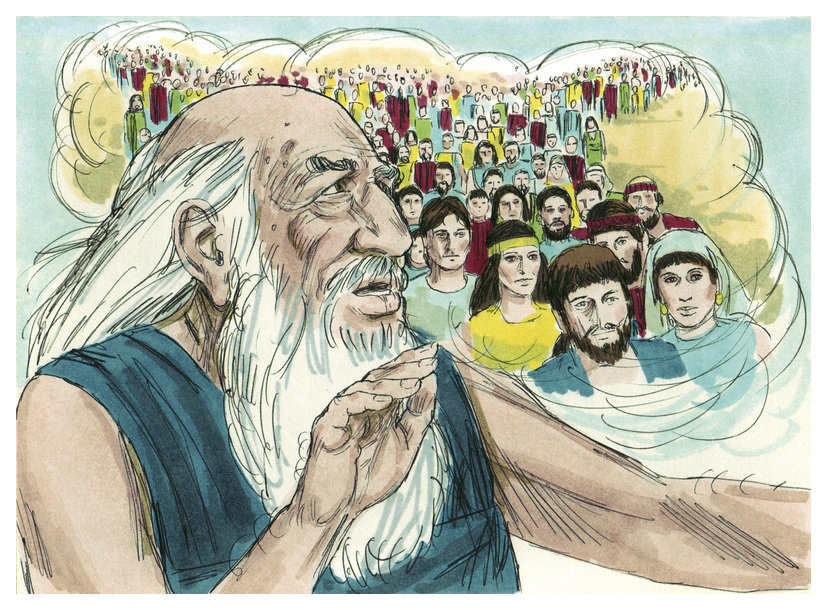
More classic art masterpieces used as illustrations
TL;DR: This Bible word-search puzzle, based on Exodus, helps people recall key terms such as covenant, Passover, and Tabernacle. An accompanying reflection highlights Exodus as a timeless story of liberation and God’s abiding presence. It shows how the Israelites’ journey from slavery toward freedom reflects humanity’s universal longing for justice and dignity. An acrostic on “Exodus” summarizes enduring lessons about deliverance and divine guidance.
Based on chapter 5 of Discovering the Bible by Alex Varughese.
Find in the puzzle the words defined by the clues below.
Challenge: Can you solve the puzzle even if you do not have the book?

— Howard Culbertson, hculbert@snu.edu
Although the book of Exodus was written thousands of years ago, it offers relevant lessons for the 21st century. One example is the theme of liberation that runs throughout the Bible’s second book.
The Israelites’ journey from slavery in Egypt toward freedom in the Promised Land can serve as a metaphor for humanity’s universal desire for liberation from oppression, tyranny, and injustice. The stories in Exodus can help us better understand the longing for freedom and dignity that has inspired people across cultures and centuries.
Exodus also highlights the importance of resilience, faith, and perseverance. Despite challenges and setbacks, Moses called on the Israelites to trust God and look forward to a better future. Their journey can inspire us to remain steadfast amid our own struggles.
Exodus also reminds us that God’s people have a moral responsibility to oppose injustice and oppression. As the leader of the enslaved Israelites, Moses confronted Pharaoh and demanded their release. His story illustrates the courage and moral conviction required in the struggle for justice and human dignity. Years later, Moses reminded the Israelites of their experience in Egypt: “And you are to love those who are foreigners, for you yourselves were foreigners in Egypt” (Deuteronomy 10:19, 2011 NIV).
A challenge: Let the book of Exodus speak to us about the human quest for freedom, the power of faith and resilience, and the moral responsibility to confront injustice. These themes remain as relevant today as they were in Moses’ day. Rather than dismissing Exodus as merely a collection of ancient stories, let us allow God to speak through it, offering us wisdom, challenge, and inspiration.
E – Escaping from Egypt, the Israelites’ new life begins,
X – Experiencing God’s might and His mercy within.
O – Opening the sea at God’s command,
D – Delivering His people to freedom and land.
U – Under His guidance, they came to cherish the law,
S – Stumbling in faith at times, yet awed by what they saw.
Like acrostics? Here are more of them.


